

Agri-Bio Lighting Solutions
CCS focuses on the relationship between light and human life to explore the potentials of light in reserch to unfold the mysteries of the living beings, in the production of functional crops, and in medical diagnosis and treatment.
Relationship with Wavelengths
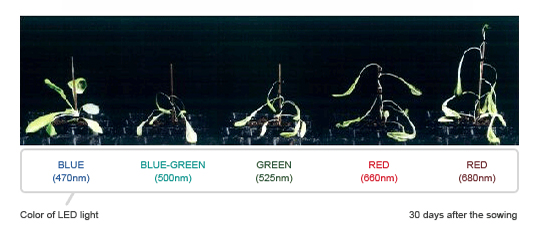
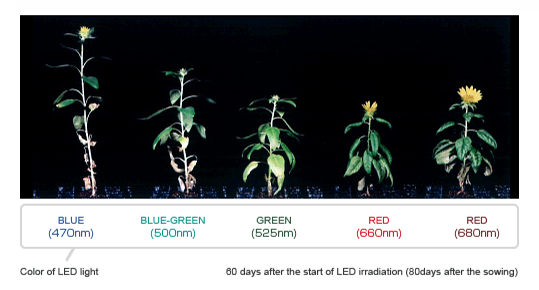
'Light' is one of the most important factors for the growth of plant. For instance, when the wavelength and/or strength of light changed, the plant changes shape and/or the nutritional content.
Some pigments of the plant absorb specific light (wavelength) and these reactions are caused. LED, which allows you to select the emitting colors, makes the experiments possible that the features of growth are extracted.
Photosynthesis
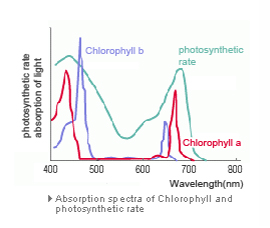
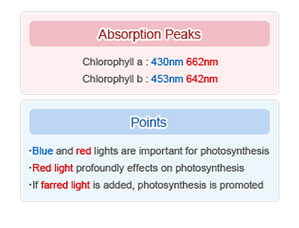
lighting energy is used in an important photoreaction, the synthesis of carbon dioxide and water into organic compounds. The pigments called chlorophyll play a role in this reaction by absorbing light.
Photomorphogenesis
This is a photoreaction that induces qualitative changes in a plant, such as seed germination, floral differentiation, flowering, development of cotyledons, chlorophyll synthesis, stem elongation, and so on. The pigments called phytochrome and cryptochrome are involved in this process.
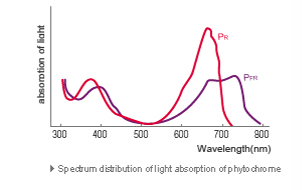
Spectrum distribution of light absorption of phytochrome
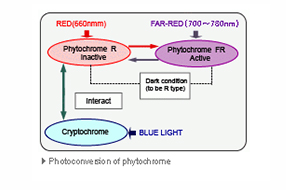
Photoconvension of phytochrome
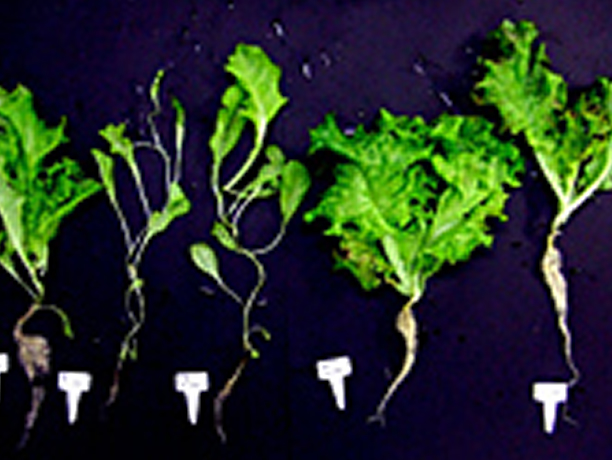
Effect of LED irradiation on growth of Lactuca sativa
Effect of LED irradiation on stem elongation and flowering of Heianthus annuus
Application Examples
Laboratory Name:Laboratory of Plant Physiology, Department of Biochemistry, Faculty of Science, Okayama University of Science
Research Application:Plant growth comparison according to wavelength
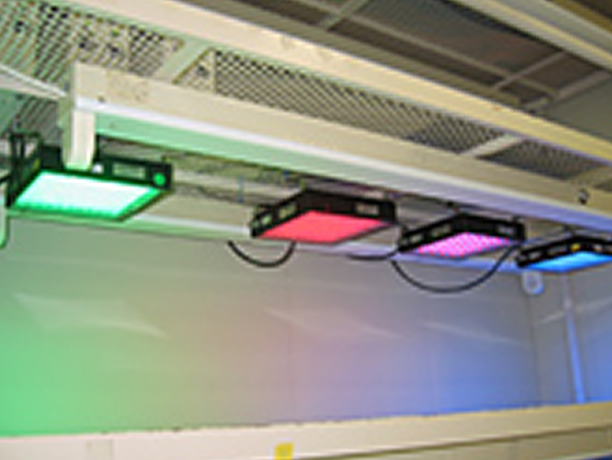
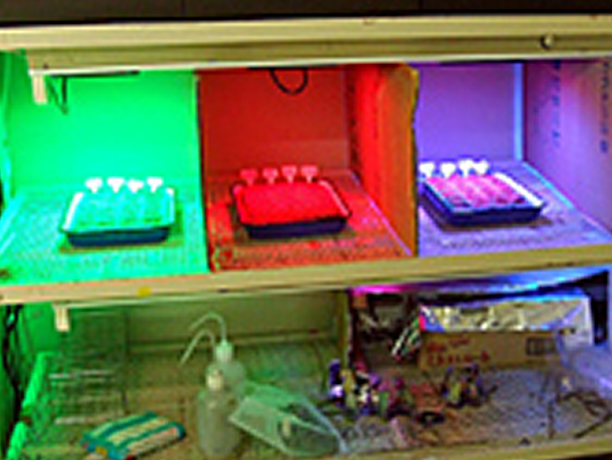
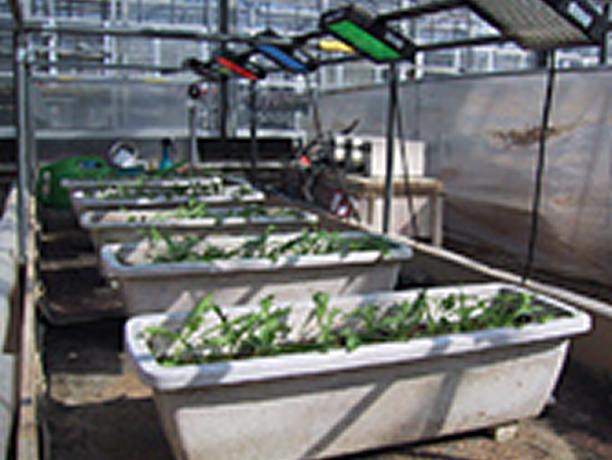
Laboratory Name:Kyoto Prefectural Agricultural Research Institute
Research Application:Supplemental lighting Experiment for Mizuna Greens and Daikon Radishes
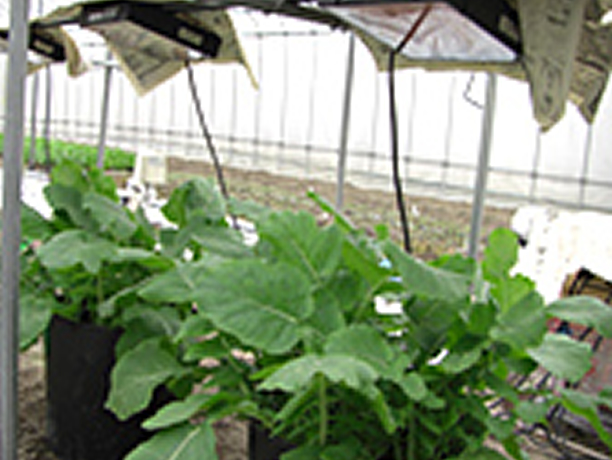
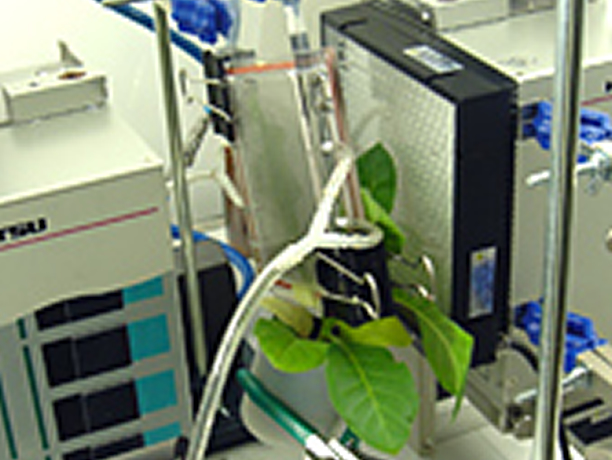
Laboratory Name:Radiation-Applied Biology Division, Takasaki Advanced Radiation Research Institute, Japan Atomic Energy Agency
Research Application:Plant growth comparison according to wavelength
Laboratory Name:Department of Biophysics, Division of Biological Science, Graduate School of Science, Kyoto University
Research Application:Plant Photoreceptor Research
Laboratory Name:Biology of Environmental Stress Response, Department of Biological Science, Graduate School of Science, Osaka Prefecture University
Laboratory of Biological Photoregulation
Research Application:Plant Photoreceptor Research
Laboratory Name:Course of Molecular Studies on Chemical and Biological Environments, Department of Interdisciplinary Environment, Graduate School of Human and Environmental Studies, Kyoto University
Research Application:Photosynthesis Research
Other Application Results:
RIKEN, National Institute for Basic Biology, National Agricultural Research Center for Hokkaido Region, Tohoku University, University of Tsukuba, The University of Tokyo, Tokyo Denki University, Nagoya University, Meijo University, Osaka University, Kobe University, Kyushu University, University of the Ryukyu, and many private companies
Other Application Examples
Microalgea growth experiments, fungus growth experiments, seed germination experiments, chlorophyl fluorescence measurements, photodamage experiments, supplemental lighting for maintaining freshness, insect behavior observation, teaching materials for student guidance, and radiation tests for animal cells

Based on the know-how and skills we have accumulated since our founding, CCS combines various elements, such as light wavelength, illuminating distance, and illuminating angle, to provide a "lighting solution" environment that is perfect for you.